
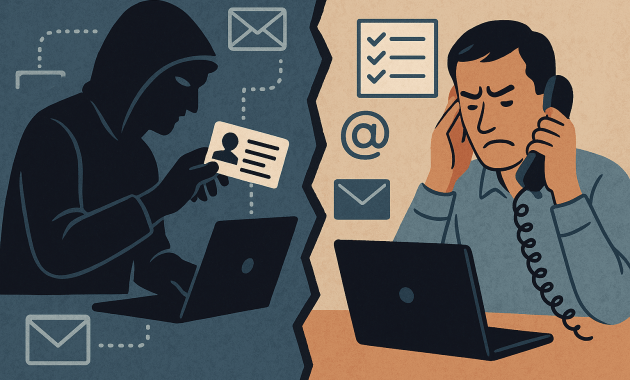

Who Owns Your Voice?
Your writing style is your fingerprint, and in the age of AI, it can be copied, flattened, or weaponised. This article explores stylometry, voice mimicry, and the risks of outsourcing your voice to AI. Are you protecting your identity... or losing it? Read on to discover why your voice might be more valuable than you think.
When Your AI Becomes Your ID
As AI moves from assisting us to authenticating us, our digital identity becomes both more convenient and more vulnerable. This article explores the promise and peril of AI-powered identity providers, and asks: what happens when your digital assistant becomes the only key to your online life?

We Deserve Better Than Postcards in Cyberspace
Despite years of data protection law and awareness campaigns, organisations still ask people to send highly sensitive documents via insecure email. This post challenges that norm, shares personal experiences, and empowers consumers with a practical checklist and their rights under UK GDPR.
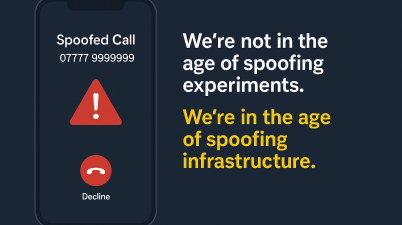
Caller ID Is Dying. Long Live Caller ID.
Caller ID is no longer proof of identity. From spoofed mobile numbers to SIM swaps and grey-route attacks, the telecom trust model is crumbling. This post explores why caller ID can’t be trusted — and what telcos, regulators, and users must do to rebuild it.
 www.muckypaws.com