

Who Owns Your Voice?
Your writing style is your fingerprint, and in the age of AI, it can be copied, flattened, or weaponised. This article explores stylometry, voice mimicry, and the risks of outsourcing your voice to AI. Are you protecting your identity... or losing it? Read on to discover why your voice might be more valuable than you think.

Deploy Now, Explain Never? Why AI Needs Forensic Parity
As AI systems increasingly make decisions that affect our lives, are we truly ready to investigate those decisions when they go wrong? This article explores the growing forensic gap in LLMs and self-evolving models, highlighting real-world failures and calling for urgent industry action on auditability, legal replay, and transparency.
Why Are Scam Emails Getting So Weird?
Tired of clumsy, obviously fake emails pretending to be from the DVLA, NHS, or HMRC? You’re not alone. A new wave of scam emails, mass-produced by cheap AI kits and spam tools, is hitting inboxes everywhere. Here’s how to spot these “sloppy phish,” why they’re a risk to everyone (especially vulnerable users), and what to do when you see one.

We Deserve Better Than Postcards in Cyberspace
Despite years of data protection law and awareness campaigns, organisations still ask people to send highly sensitive documents via insecure email. This post challenges that norm, shares personal experiences, and empowers consumers with a practical checklist and their rights under UK GDPR.

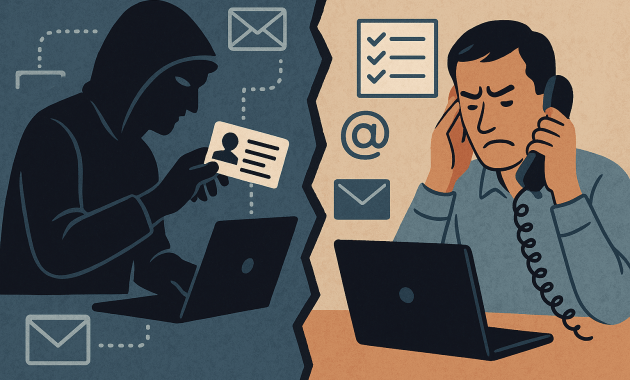
Caller ID Is Dying. Long Live Caller ID. (Plain English Version)
The number on your screen might not be who you think it is. Caller ID can be faked — and increasingly is. This plain-English guide explains how spoofing works, what a SIM swap is, and what steps you can take to stay safe without needing to be a tech expert.
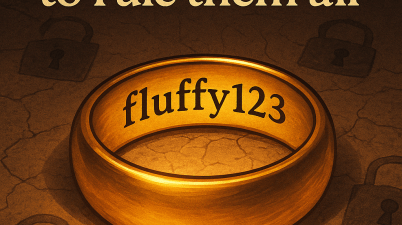
One Password to Rule Them All? Why That’s a Terrible Idea in 2025
Still using the same password everywhere? In 2025, that habit could open the door to your entire digital life. This post breaks down why password reuse is so risky, how breaches actually happen, and what simple steps you can take to stay safe—without needing to be technical.
 www.muckypaws.com