
When Payment Design Becomes Persuasion (Part 3 of 3)
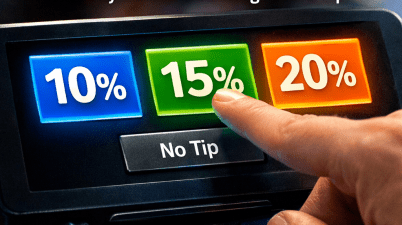
A modern payment terminal asking for a tip may look like a simple choice. But behind that screen sits decades of behavioural research, UX design, and subtle psychological nudges. As tipping prompts spread through global payment systems, the question becomes harder to ignore: are we choosing to tip… or being guided there by design?

The Tipping Escalation Ladder (Part 1 of 3)
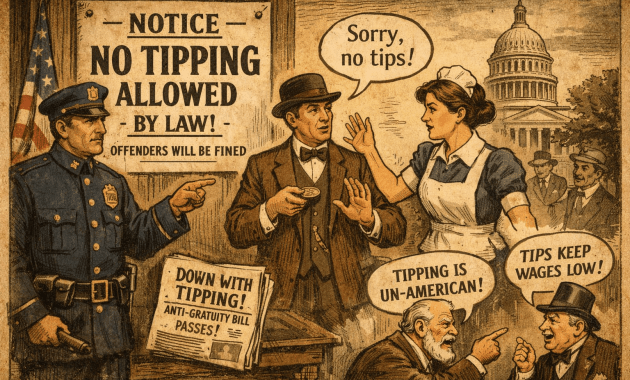
Tipping used to be a simple thank-you for exceptional service. Today, it increasingly feels like something else… suggested by payment terminals, engineered into apps, and socially enforced in ways that quietly shift labour costs from employers to customers. In this piece, I explore what I call the Tipping Escalation Ladder and ask whether optional gratitude is becoming engineered expectation.
The Face of Empathy — But Who’s Behind the Smile?
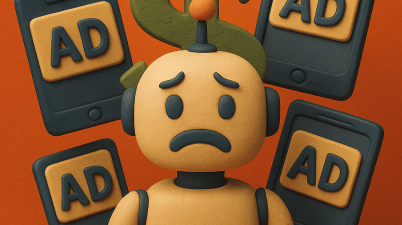
AI isn’t the problem — it’s how we’ve rushed to use it. From spiralling costs to silent data leaks and emotionally revealing prompts, this post explores the real price we’re paying for convenience. When innovation ignores privacy, empathy becomes a product… and our deepest thoughts may be repackaged, sold, or profiled. So what comes next — and what do we allow?

AI Isn’t the Problem, It’s How We’ve Rushed to Use It
We were promised better customer service with AI. What we got instead? Longer hold times, rigid chatbots, and a growing sense that human empathy has been replaced by scripted indifference. This post explores why the problem isn’t AI itself, it’s how we’ve rushed to use it, and what needs to change to rebuild trust.
 www.muckypaws.com