
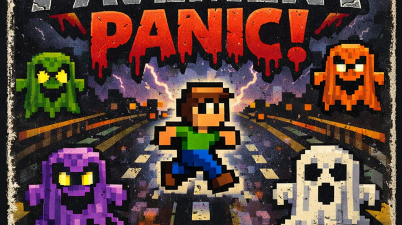
Pavement Panic – My Second Entry into the 2026 BASIC10 Competition
My second entry into the 2026 BASIC10 Liner Competition is Pavement Panic, a fast-paced ghost-dodging survival game for the Amstrad CPC written in just 10 lines of BASIC. Inspired by simple road-crossing games, it starts gently, then quickly turns chaotic as the ghosts speed up and survival time becomes your score.
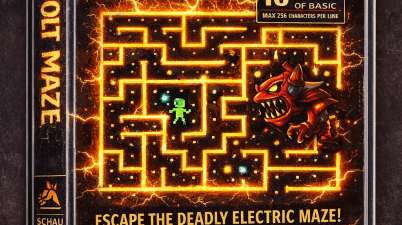
Voltmaze – My Third Entry into the 2026 BASIC10 Competition
Voltmaze is my third entry into the 2026 BASIC10 Liner Competition… a procedurally generated maze game for the Amstrad CPC written in just 10 lines of BASIC. Inspired by classic 8-bit design and powered by a stack-driven depth-first search algorithm, it’s a small game with surprisingly sharp teeth… electrified walls, flickering hazards, roaming hunters, and a new maze every level.
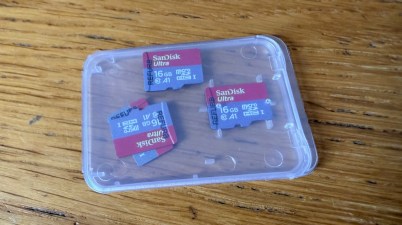
That Bargain SD Card Might Be Lying to You… Here’s How to Check
Cheap storage can come at a hidden cost. In this post, I explore the risks of fake and refurbished SD cards, how fraudsters manipulate capacity, and how you can test your storage on Windows, macOS, and Linux before trusting it with your data.

The NHS Is Modernising. Are We Remembering the Patient?
Recovering with a PICC line has made me notice something simple but important… trust. A withheld NHS call asked for my DOB before proving who they were, and a home visit introduced an AI recording app without clear consent. The problem isn’t technology… it’s assumed consent and invisible governance.

Amstrad CPC Themed 2026 Calendar
Forget the 80s loading screens, the 2026 CPC calendar celebrates new releases from the modern Amstrad scene. Download it free and prove the CPC is still leading the 8-bit pack.

How Protecting Children Online Created a Privacy Nightmare for Everyone
The UK's Online Safety Act forces millions to hand over passport photos and selfies to private companies just to access games and social media. These companies have poor security records and often transfer your identity documents overseas without proper safeguards. Recent breaches prove this creates "honeypots" for hackers rather than protecting children, while tech-savvy kids bypass checks with VPNs. The government could solve this with a token system like DVLA share-codes, but refuses to admit their approach is fundamentally flawed.

Data Breach Today, Your Problem Tomorrow: Why Victims Deserve More Than Apologies
When your data is stolen in a breach, the company gets fined, but you’re left picking up the pieces. This blog explores the need for a Digital FSCS: a restitution fund for breach victims, inspired by real-world failures and systemic neglect. Includes a free template letter you can send to your MP to call for change.

Who Owns Your Voice?
Your writing style is your fingerprint, and in the age of AI, it can be copied, flattened, or weaponised. This article explores stylometry, voice mimicry, and the risks of outsourcing your voice to AI. Are you protecting your identity... or losing it? Read on to discover why your voice might be more valuable than you think.

Deploy Now, Explain Never? Why AI Needs Forensic Parity
As AI systems increasingly make decisions that affect our lives, are we truly ready to investigate those decisions when they go wrong? This article explores the growing forensic gap in LLMs and self-evolving models, highlighting real-world failures and calling for urgent industry action on auditability, legal replay, and transparency.
 www.muckypaws.com