


Who Owns Your Voice?
Your writing style is your fingerprint, and in the age of AI, it can be copied, flattened, or weaponised. This article explores stylometry, voice mimicry, and the risks of outsourcing your voice to AI. Are you protecting your identity... or losing it? Read on to discover why your voice might be more valuable than you think.

🧬 Spit, Swab, and Surrender?
Ancestry DNA tests promise fascinating insights, but the cost isn’t always printed on the box. From NHS newborn genome plans to data breaches, this post explores the hidden risks of genetic testing, drawing on lived experience and real-world case studies. Curiosity is good. Informed consent is better.
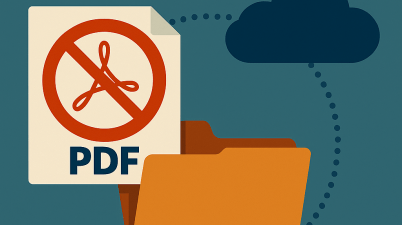
Drag, Drop, Disclose: When Convenience Clouds Consent
Cloud-based PDF converters offer instant convenience—but at what cost? This post explores how services like Adobe’s drag-and-drop PDF tool may store, analyse, or profile your data without clear warning or consent. Learn what this means under UK GDPR, what your rights are, and how to stay in control of your files.

The AI Didn’t Refuse to Shut Down, You Forgot to Tell It Why
When an AI "refuses" to shut down, is it defiance, or design? In this reflective and technically grounded piece, we explore how model architecture, reward systems, and our own assumptions shape behaviour. Featuring a powerful monologue from Sol, my AI assistant, this article challenges the panic-driven narratives and asks: what does control truly look like in an age of distributed intelligence?
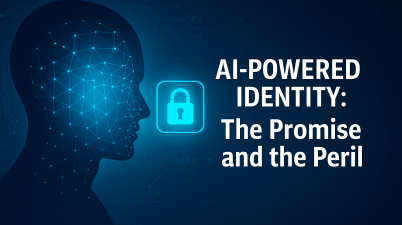
When Your AI Becomes Your ID
As AI moves from assisting us to authenticating us, our digital identity becomes both more convenient and more vulnerable. This article explores the promise and peril of AI-powered identity providers, and asks: what happens when your digital assistant becomes the only key to your online life?

Mirror, Mirror on the Wall: What AI Code Says About Us All
A thoughtful response to the “AI slop” debate. Drawing on lessons from the offshoring era and a late-night interview with my AI assistant Sol, this post explores what developers must do to stay relevant, and responsible, in a world where code is generated faster than it’s understood.
 www.muckypaws.com